On a shelf, a product has about two seconds to get noticed and one more to say what it is. The lettering on the label does most of that work. Display fonts are made for it, as long as you build the label around a clear order of information.
Decide the reading order first
Before choosing fonts, list what someone needs to see, in order:
- The brand or product name.
- What it is: “Chilli Sauce”, “Oat Cookies”, “Hand Cream”.
- The flavour or variant.
- The details: weight, ingredients, legal text.
Only the first one, and sometimes the second, should be in a display font. Everything else is set in a clear sans or serif.
Pick a display font with a strong silhouette
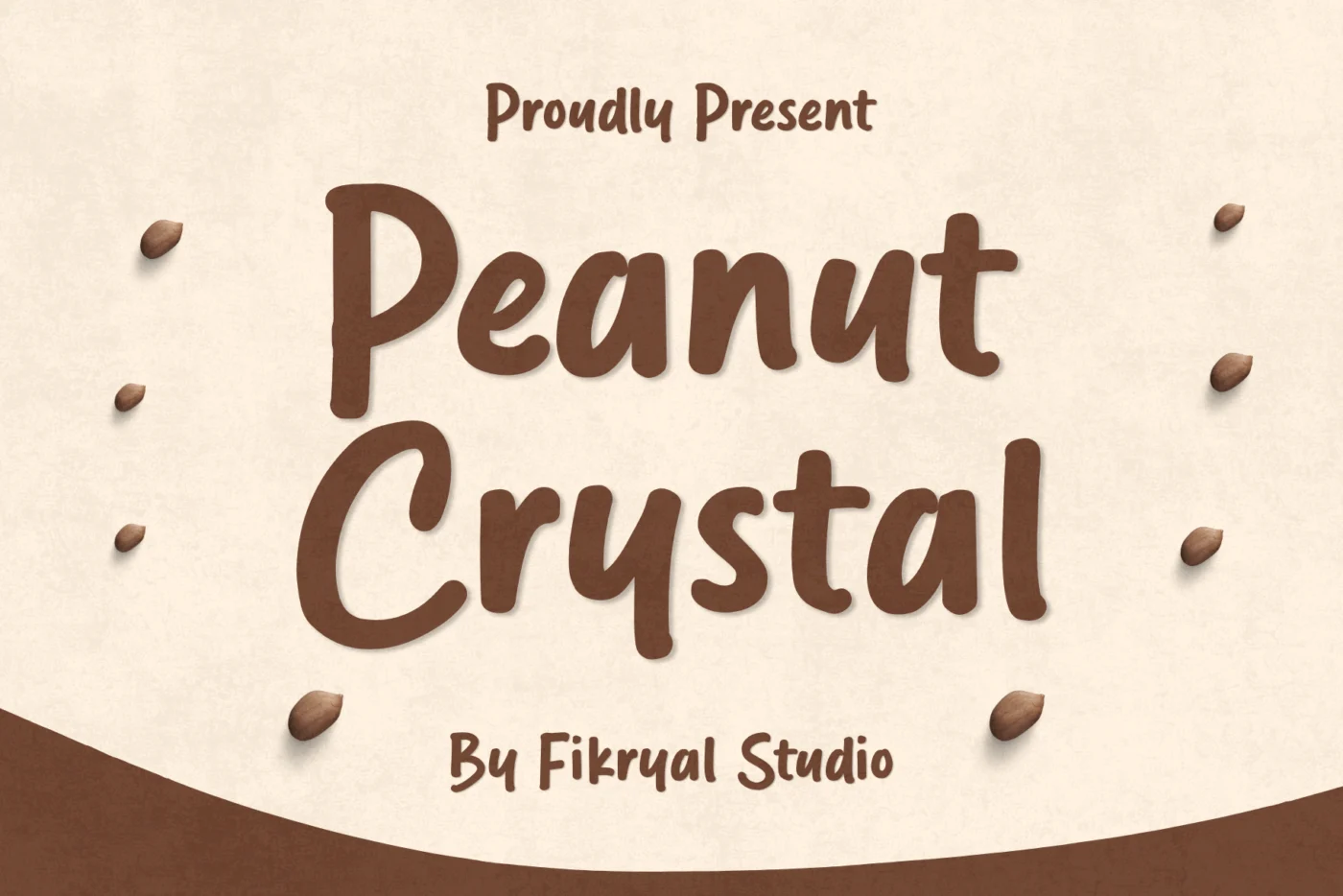
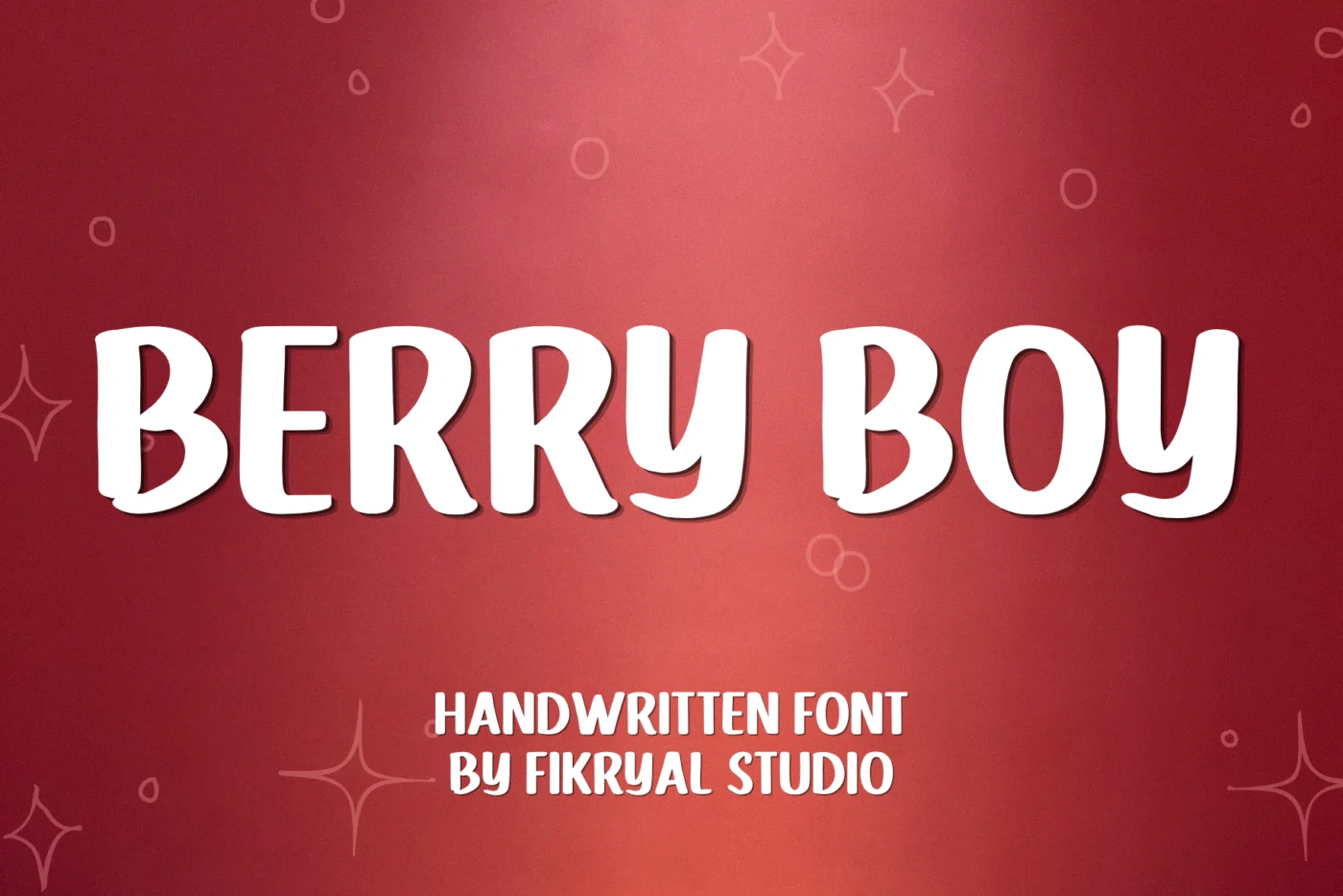
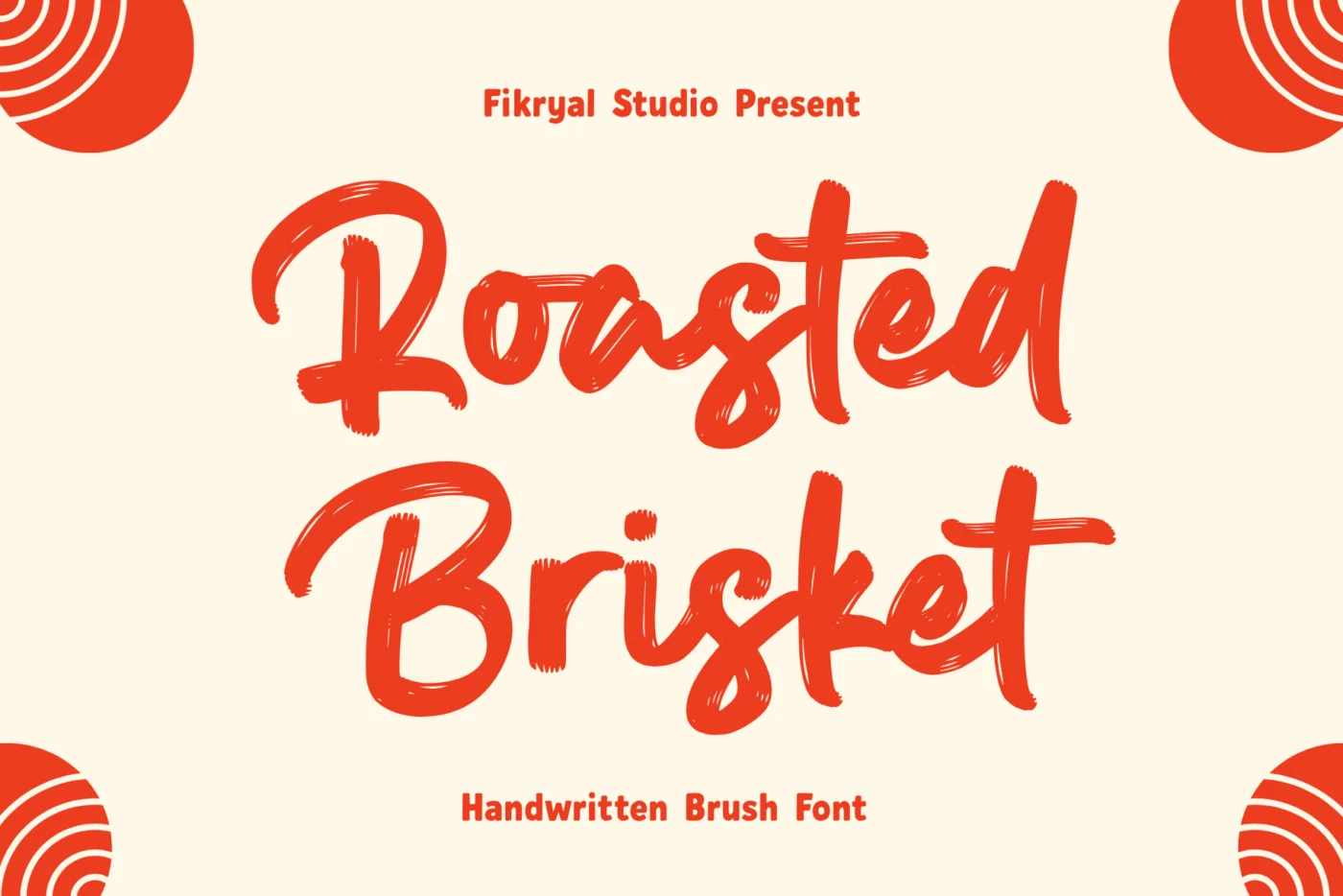
Labels are often seen from a distance and at an angle, on curved bottles or crinkled bags. Fonts with chunky, simple shapes survive that. Hand-drawn display fonts like Peanut Crystal or Berry Boy feel friendly and homemade. Brush fonts like Roasted Brisket suit sauces, coffee and anything with a bit of heat.
Before you finish the design, print a test at 100% and look at it from two metres away.
Small text needs a different font
Ingredient lists are often printed at 6–7 pt. Decorative fonts fall apart at that size. Use a sans serif made for small text, with open letters and generous spacing. This is also what food regulations in many countries expect: legible mandatory information.
Print-ready details
- Convert all text to outlines in the final file for the printer.
- Avoid very thin strokes in white text reversed out of a dark colour; ink spread can fill them in.
- If you print on kraft paper or a coloured stock, test the contrast. Some colours lose up to half their punch.
- Keep a 3 mm safe zone from the cut line for all text.
The license for packaging
Packaging is a product for sale, so it is always commercial use. The Desktop License covers logos and up to 2,000 printed or sold pieces, which suits small batches and new brands. If you will print more, or the packaging design will also appear on your website and social media, the Extended License covers up to 750.000 pieces and online use together. A few fonts have their own license terms, so check the font page before you buy.