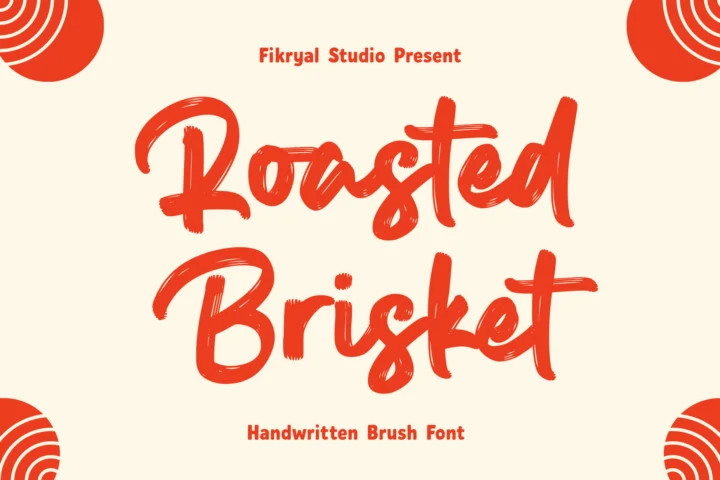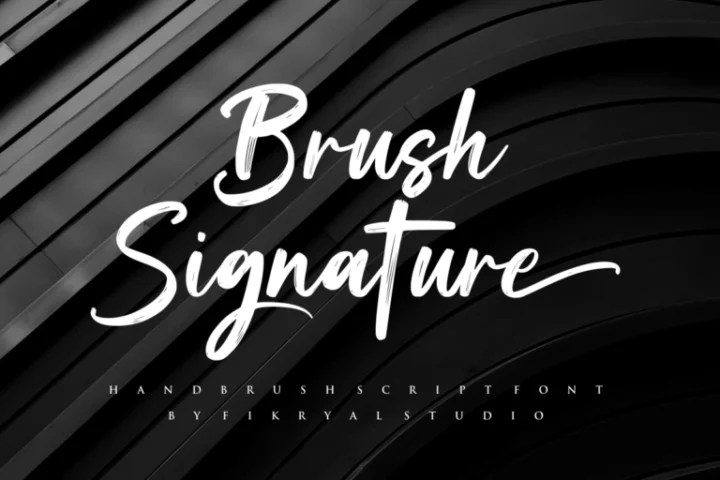
Most license questions we get start the same way: “I just want to use it for a logo, which one do I buy?” The honest answer is that it depends less on the font and more on where the finished design will live. A logo that only appears on a shop sign and business cards needs a different license from the same logo running in Instagram ads every week.
Here is how we would think it through if we were in your seat.
Start with where the design will be seen
Before you look at prices, write down every place the font will appear in the next year. Be specific. “Branding” is too vague. “Logo on packaging, a printed menu, our Instagram posts and the website header” is something you can match to a license.
Then sort that list into three groups:
- Print and physical products: signage, packaging, merchandise, printed menus, stickers.
- Screens you control: your website, an app, an e-book.
- Social media and ads: posts, reels, YouTube thumbnails, paid campaigns, Canva templates.
Most mix-ups happen because people buy for the first group and forget the other two.
The licenses most small businesses actually need
On most Fikryal fonts you will find ten licenses. In practice, three of them cover the majority of real projects.
Desktop License
This is the one for a logo, print work and products you sell. It covers 1 user on 2 computers, personal and commercial projects, and up to 2,000 printed or sold items. It does not cover social media or websites. If your logo only lives on paper, fabric and packaging, this is enough.
Monetized Social Media License
For creators and brands whose main channel is social. It allows content and ads on social platforms up to 100.000 views or impressions per month, and it lets you use the font inside tools like Canva, Templett and Corjl. Only the license holder can use the font, so it is not meant for passing the file to a client.
Extended License
Built for studios, agencies and growing brands that use one font everywhere: logo, print, up to 5 websites and social media, with up to 10 users. If your list from the first step has items in all three groups, this is usually the most economical choice, because buying separate licenses for each channel adds up quickly.
When you need something bigger
Two situations call for a corporate license:
- You want to register the logo as a trademark. Trademark use is only included in the National Corporate License and the Worldwide Corporate License.
- The brand sells across several countries or runs large campaigns. The Worldwide Corporate License removes the limits on views, prints and installations.
Apps, games, e-books, TV and websites where visitors type with the font each have their own license, because those uses put the font file in front of many more people.
Three quick examples
A home bakery using a script font for stickers on boxes and a printed price list: Desktop License.
A wedding photographer using a signature font as a watermark on photos posted to Instagram: Monetized Social Media License, or Extended if the same mark also goes on the website and printed albums.
A design studio creating a full identity for a client, with logo, website and launch campaign: Extended License, bought in the client’s name so the client owns the right to use it.
Still unsure?
Every font page has a “Find my license” helper under the buy button. Pick what you are making and it selects the matching license for that font, with its terms. Some fonts in our catalog have their own license options and prices, so the font page is always the final word. And if your project does not fit any box, write to us. We write custom licenses regularly and usually reply within a day.